High-Level Government Officials Discussed AI’s Role in Shaping Future Governments
3-5 February, Dubai, UAE
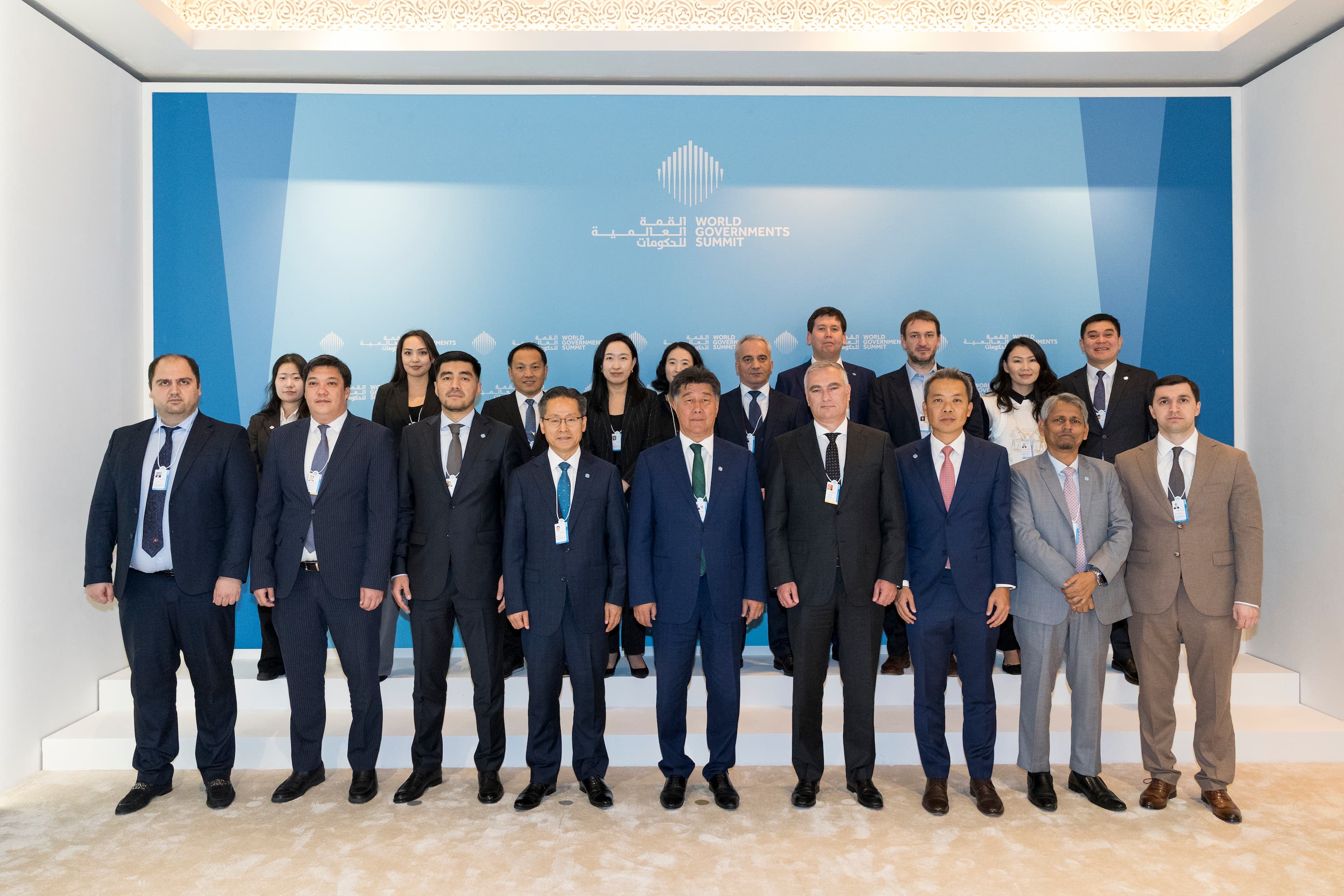
A roundtable titled “AI for Future Governments: Country Experiences and Practices” was held in Dubai within the framework of the World Governments Summit (WGS). The event brought together Ministers, Vice Ministers, and leading practitioners from Central Asia, the Caucasus, and the Asia-Pacific region to discuss practical and strategic approaches, as well as to exchange foresight perspectives on the effective use of AI in governance.
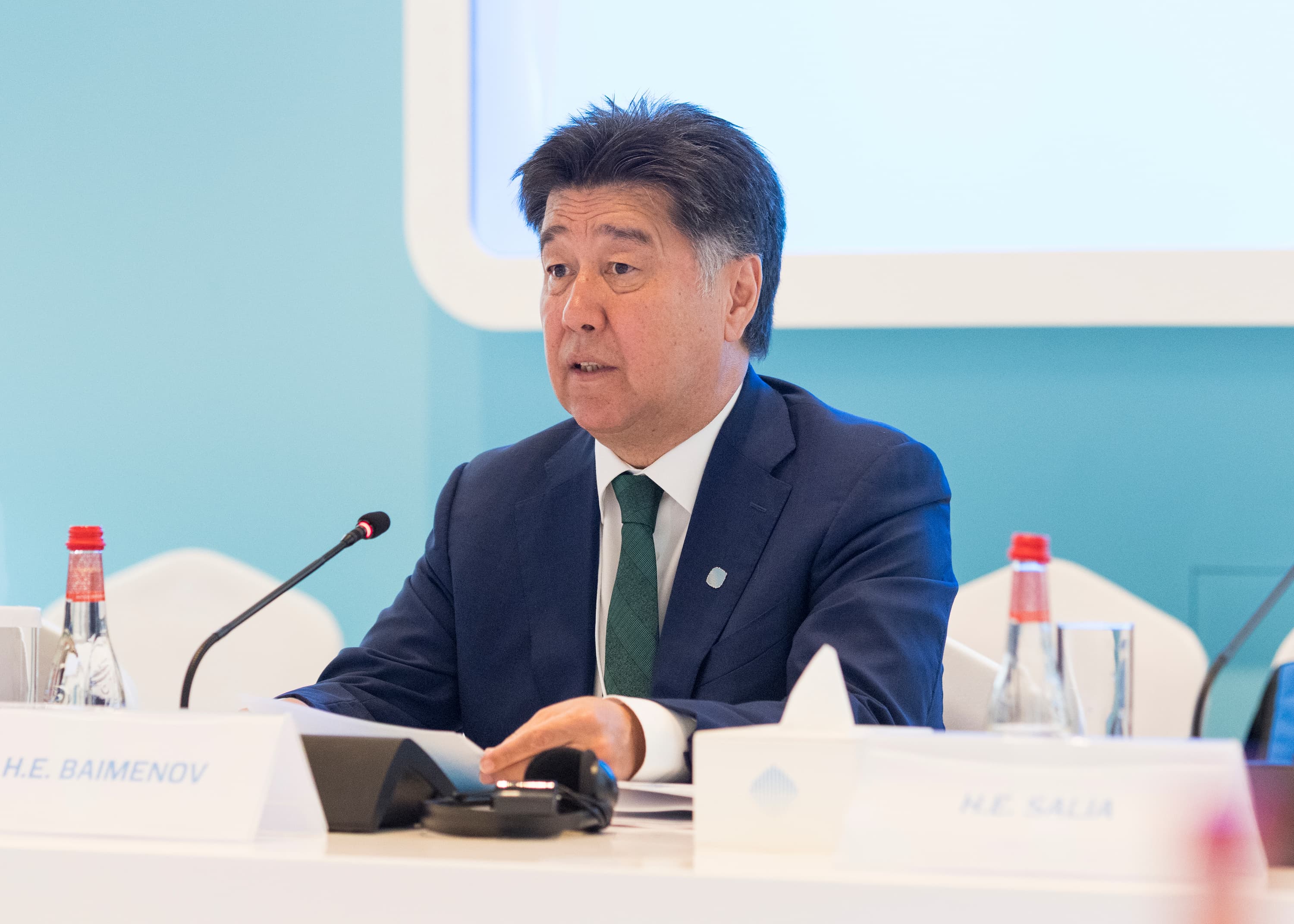
Opening the session, H.E. Alikhan Baimenov, Chairman of the Steering Committee of the Astana Civil Service Hub, noted that in the era of human-AI coexistence, artificial intelligence is transforming public administration and other sectors, enabling governments to anticipate societal needs, design smarter policies, and deliver faster, more transparent, and citizen-focused services. He emphasized that effective AI governance requires clear and flexible rules, strong digital and data foundations, inclusive multi-sector collaboration, and strengthened institutional capacity. He further underlined the importance of international cooperation and knowledge exchange, noting that the joint project fosters sustained dialogue and has generated strong interest among participating countries in further expanding cooperation.
In his remarks, H.E. Minsig Park, Director of Public Service Innovation at the Ministry of the Interior and Safety (MOIS) of the Republic of Korea, emphasized that AI and digital technologies are rapidly reshaping how governments design policies, deliver public services, and interact with citizens. He highlighted the dual responsibility of governments: on the one hand, to harness the potential of technological innovation, and on the other, to manage risks and safeguard public trust. He stressed that for AI to serve as a global public good, international cooperation and shared responsibility are essential, reaffirming Korea’s commitment to sharing its experience and advancing an inclusive and responsible global AI ecosystem.
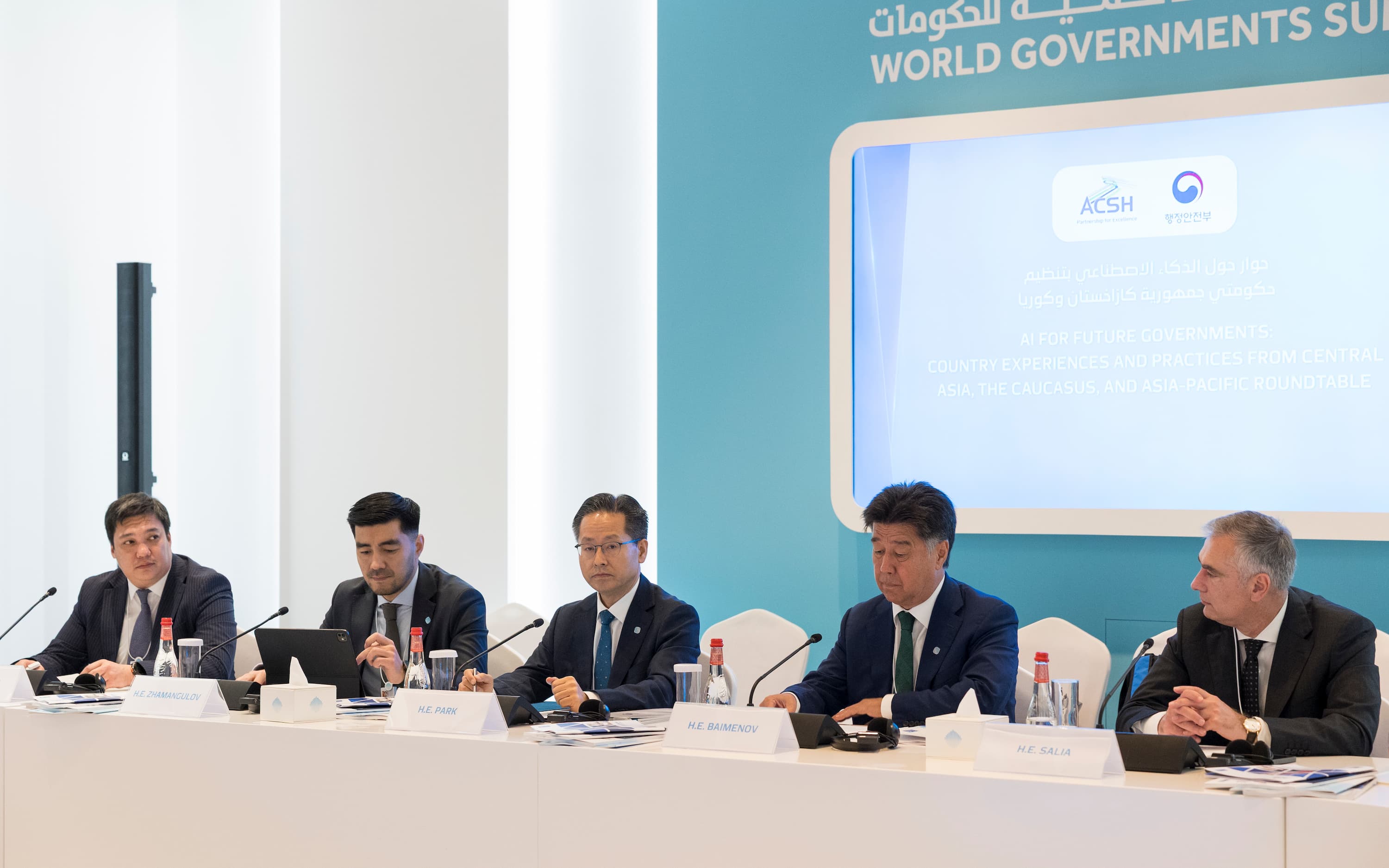
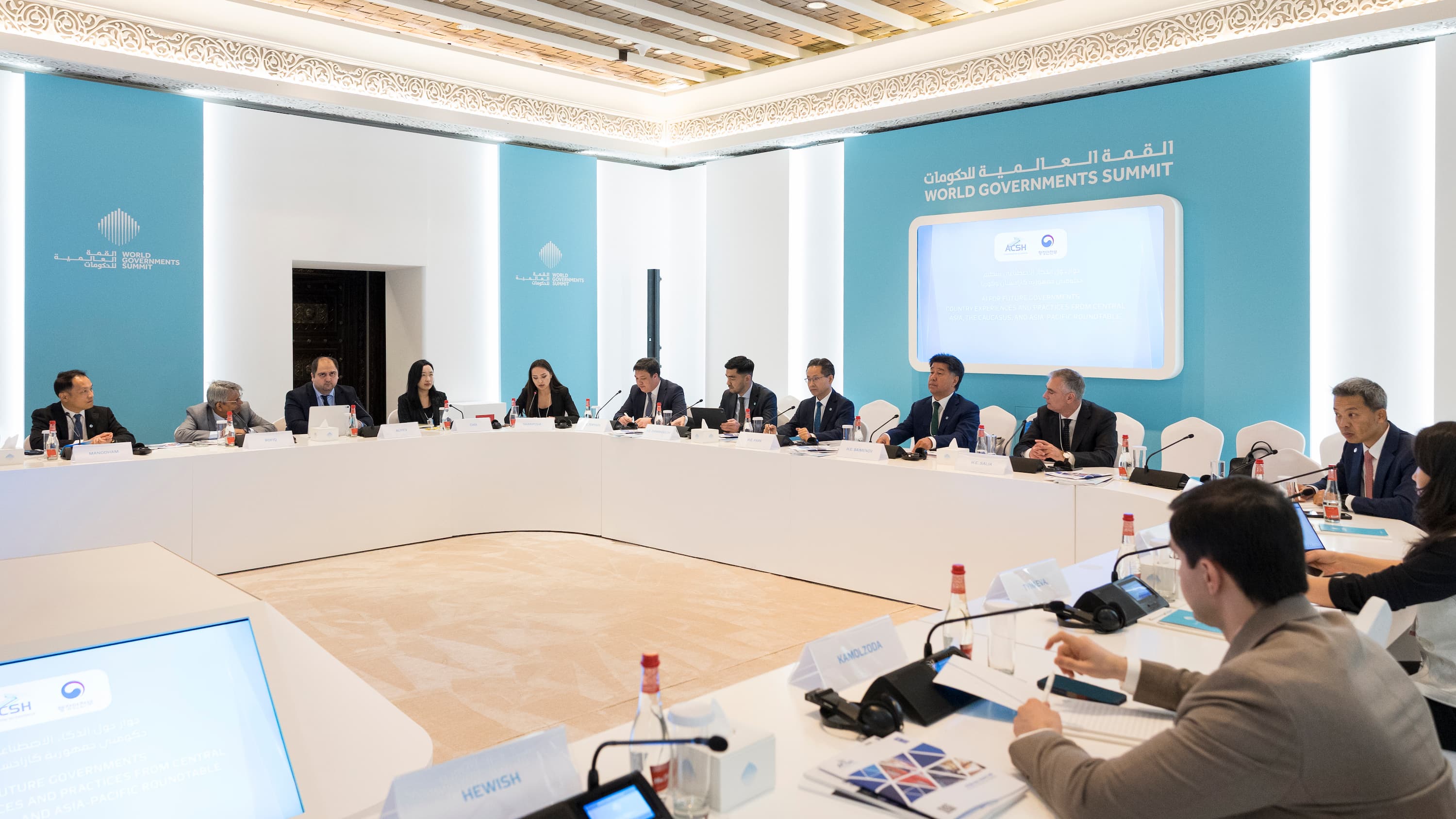
The side event featured keynote speeches by H.E. Paata Salia, Minister of Justice of Georgia, H.E. Azamat Zhamangulov, Minister of Digital Development and Innovative Technologies of the Kyrgyz Republic, and H.E. Asset Turysov, Vice Minister of Finance of the Republic of Kazakhstan. In their remarks, the speakers shared strategic visions and key insights for the responsible use of AI public governance. They emphasized the importance of leveraging AI with data-driven and digital solutions, including digital tax systems and proactive public services, while prioritizing real public value, accountability and transparency.
The event also included an expert session that brought together leading practitioners from Azerbaijan, Bangladesh, Cambodia, Georgia, Kazakhstan, the Kyrgyz Republic, the Lao PDR, Mongolia, and Tajikistan. The discussion addressed practical challenges in moving from AI strategies to effective implementation, as well as key policy and institutional enablers, and ethical and regulatory considerations. Participants underscored that continuous knowledge exchange and peer learning are crucial for shaping resilient and future-ready public institutions in an increasingly digital world.
The side event was jointly organized by the Ministry of the Interior and Safety (MOIS) and the National Information Society Agency (NIA) of the Republic of Korea, UNDP Kazakhstan, and the Astana Civil Service Hub, in cooperation with partners including the World Governments Summit and Governance Solutions International.
Photos of the side event are available here:
https://www.worldgovernmentssummit.org/media-hub/gallery?u=a0fnm000009a2ohyas-ai-for-future-governments-country-experiences-and-practices-from-central-asia-the-caucasus-and-asia-pacific-roundtable
__________
For reference: The side event is part of an interregional project by UNDP, MOIS, NIA, and the Astana Civil Service Hub aimed at enhancing the capacity of civil servants in 12 countries across Central Asia (Kazakhstan, Kyrgyzstan, Tajikistan, and Uzbekistan), the Caucasus (Armenia, Azerbaijan, and Georgia), and the Asia-Pacific region (Bangladesh, Cambodia, Laos, Mongolia, and the Philippines). The project features seminars, conferences, research activities, and study visits to the Republic of Korea, focusing on advancing digital transformation and governance.